
Key Takeaways
-
You can confidently mix metals like yellow gold, white gold, rose gold, platinum, and sterling silver in everyday and bridal jewelry without breaking any style “rules.”
-
Think of your primary piece—engagement ring, heirloom bracelet, or everyday chain—as your dominant metal, then layer accent metals around it for depth and contrast.
-
Design experts recommend working with 2–3 metal finishes at once for cohesion, mirroring the same principles an interior designer uses when selecting cabinet hardware or light fixtures.
-
Mixed metal jewelry is timeless, practical, and ideal for evolving collections that incorporate inherited pieces alongside modern purchases.
-
At Trabert Goldsmiths, we regularly build custom mixed-metal stacks that honor heirlooms while embracing contemporary design.
Introduction: Why Mix Metals in Your Jewelry Box?
The art of mixing metals moved from living spaces and home decor into fine jewelry styling years ago, and by 2025, Pinterest searches for “mixed metal jewelry” climbed 45% year-over-year. What once seemed like breaking the rules—wearing your grandmother’s yellow gold ring alongside a modern platinum band—is now considered intentional, elegant, and deeply personal.
At Trabert Goldsmiths in San Francisco, clients frequently ask whether their metals have to match. The short answer: they don’t. To create balance in design, it’s important to mix warm and cool metals, as this contrast can enhance the visual interest of any ensemble—just as it does in a room with carefully selected door handles, towel hooks, and plumbing fixtures.
Mixed metal jewelry allows you to honor heirlooms while still enjoying contemporary pieces. Our designers regularly build custom stacks for engagement rings, wedding bands, and right-hand rings that bridge generations of style. This blog post offers practical, visual guidance rather than rigid lists of dos and don’ts.
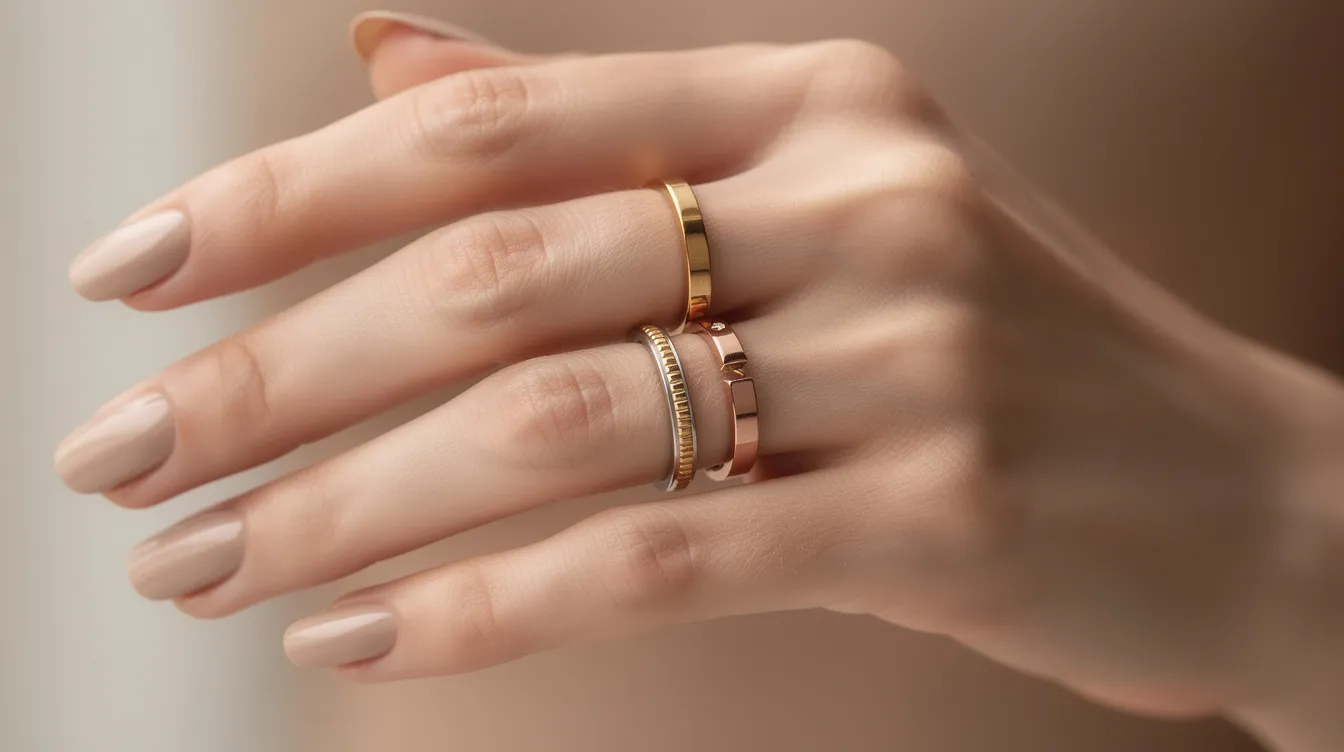
Warm, Cool, and Neutral Metals in Jewelry
Just as an interior designer might balance warm and cool tones in a space using polished nickel alongside aged brass, jewelry metals exist on a similar spectrum. Metals can be categorized on a spectrum of undertones, with cool metals like stainless steel and chrome at one end, warm metals like brass and gold at the other, and black acting as a neutral that pairs well with both.
Warm metals in jewelry include:
-
18K yellow gold (75% pure gold alloyed with copper and silver for a rich honey hue)
-
22K high-karat gold (softer, with a deep glow favored in heirloom pieces)
-
Rose gold (yellow gold with higher copper content, creating a pinkish warmth)
-
Brass accents on fashion pieces—brass is an alloy of copper and zinc, valued for its malleability and aesthetic appeal in fixtures and decorative hardware
Cool metals include:
-
Platinum (95% pure, dense, and develops a soft patina over decades)
-
Palladium (lighter, hypoallergenic, increasingly popular for its affordability)
-
18K white gold (gold alloyed with nickel or palladium, rhodium-plated for brightness)
-
Sterling silver (92.5% silver, affordable but requires tarnish management)
Stainless steel, a mix of iron and chromium, is essential for watch components due to its strength and high resistance to corrosion—making it a reliable bridge between fine jewelry and everyday accessories.
Neutral “anchor” finishes like black rhodium plating, oxidized silver, and matte black enamel ground your mix without competing tonally. And remember: metals also have finishes—polished, brushed, satin, hammered—that change how mixed stacks read. The difference between brushed nickel and satin nickel in your house mirrors the difference between a matte wedding band and a polished one.
How Many Metals Can You Mix in One Look?
People often ask “how many metals is too many?” for ring stacks, layered necklaces, and bracelet combinations. Design experts suggest limiting the number of metals used in a space to 2–3 to maintain a cohesive look, with one metal serving as the dominant finish—and this principle translates directly to jewelry.
When mixing metals, avoid combining metals that have the same undertone, as this can lead to a lack of contrast and visual dissonance in the design. Instead, aim for intentional variety:
-
Two-metal mix: Yellow gold dominant with platinum accents (clean, beginner-friendly)
-
Three-metal mix: 18K yellow gold engagement ring, platinum guard band, slim rose gold eternity band (adds complexity without chaos)
More than three metals can work in editorial or fashion-forward looks but requires very intentional repetition and balance. Bridal sets tend to feel most cohesive with one dominant metal and one subtle secondary metal for long-term wear.
It’s better to vary texture and gem details within a limited metal palette than to add a fourth or fifth metal. Bronze, made of primarily copper mixed with tin, is harder than pure copper and commonly used for decorative items—but in fine jewelry, we achieve similar warmth through rose gold rather than introducing yet another metal.
Choosing a Dominant Metal (and When to Break the Rule)
When selecting a dominant metal finish, it is recommended to choose one that aligns with your overall style or personal aesthetic, and then layer in a second finish for contrast. This mirrors how designers pick a dominant finish for a home before selecting accent hardware.
Your dominant metal is typically your most meaningful piece—the engagement ring, wedding band, or heirloom bracelet that anchors your collection. We recommend picking one dominant finish for “anchor” items (engagement ring, everyday chain, primary watch) and layering other metals as accents.
Concrete example: A client with a platinum engagement ring uses platinum as the dominant metal while adding 18K yellow gold stacking bands as subtle contrast. The platinum holds 60–70% of the visual weight; the gold accents complete the story.
When to ignore dominance: bohemian or maximalist styles can intentionally avoid a single dominant metal for a collected, global look. Skin tone, wardrobe palette, and existing heirloom metals all factor into our in-store consultations at Trabert Goldsmiths.
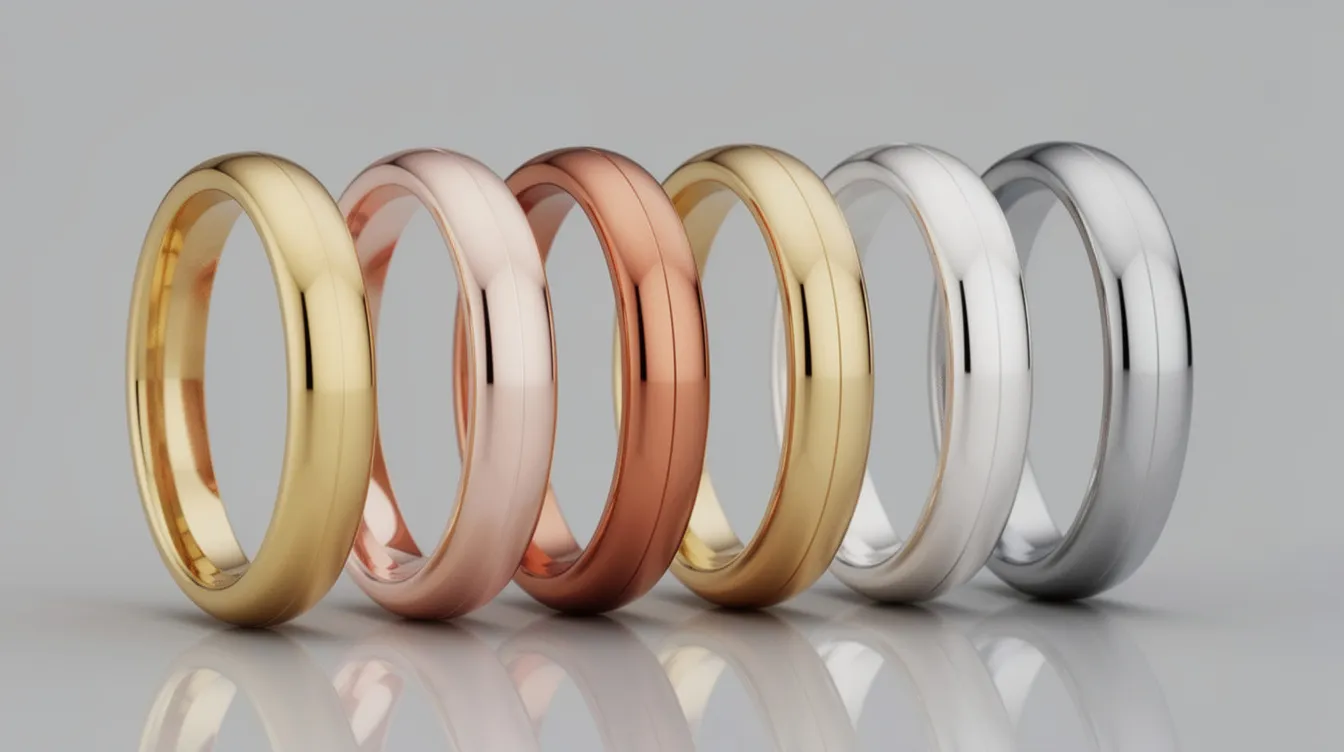
Dominant Yellow Gold: Warm, Classic, and Vintage-Friendly
In San Francisco’s vintage-inspired style scene, 18K yellow gold remains a timeless dominant metal choice. Local jeweler data shows approximately 22% of 2025 custom orders feature yellow gold as the primary finish—clients drawn to its warmth, malleability, and ability to develop a gentle patina over decades.
Yellow gold makes sense as the dominant metal when:
-
You’ve inherited vintage jewelry you want to honor
-
You favor warm tones in your wardrobe and personal preference leans classic
-
You love classic solitaire engagement rings with rich, glowing metal
Specific mixed-metal example: 18K yellow gold solitaire engagement ring with platinum prongs (added for durability) and a slim platinum shadow band as the accent metal. The high contrast creates visual interest while the warm gold remains the star.
Complementary accent metals for yellow gold:
-
Platinum or white gold for cool contrast
-
Rose gold to stay within a warm spectrum but add depth
-
Oxidized silver for edge
For watches and bracelets, consider a stainless steel watch with a yellow gold bezel, or a two-tone piece that bridges different gold colors naturally. Our bench jewelers can often retrofit vintage yellow gold settings with platinum prongs—a subtle mixed-metal effect that improves durability.
Dominant White Gold or Platinum: Modern and Diamond-Forward
Platinum and white gold are cool metals that make diamonds and colored gemstones appear bright and icy. Platinum’s 2025 market share reached 35% of engagement rings—up 12% from 2023—driven by its density securing stones exceptionally well.
Practical notes: Platinum develops a soft patina over time that many clients love; 18K white gold needs periodic rhodium replating (typically every 12–24 months) as the alloy naturally yellows. Combining metals like gold with nickel or palladium in white gold alloys can form a passive protective layer, but rhodium refreshes that bright finish.
Concrete styling example: Platinum oval-cut engagement ring with a thin yellow gold pavé band stacked above it for warmth. The contrast highlights the diamond while adding a personal touch.
Good accent metals for cool dominants:
-
18K yellow gold bands
-
Rose gold eternity rings
-
Oxidized silver cuffs on the opposite wrist
Many custom engagement clients choose platinum heads (prongs) and yellow gold shanks, creating built-in mixed metal without feeling busy. White metals also pair easily with stainless steel Apple Watch bands or polished steel mechanical watches.
Dominant Rose Gold: Romantic and Softly Mixed
Rose gold surged in the 2010s and continues thriving—up 150% in popularity per The Knot’s 2025 engagement ring survey. It blends beautifully with both yellow and white metal finishes, behaving almost like a bridge between warm and cool.
Specific mixed-metal stack: 14K rose gold diamond band as dominant, flanked by a slim yellow gold band and thin platinum guard band. The rose anchors the look while warm and cool accents frame it.
Rose gold also works beautifully as an accent metal around a dominant platinum or yellow gold engagement ring—a subtle hint of color without committing to a fully rose band. We often use rose gold details (hidden halos, gallery wires, bezel rims) visible only from certain angles.
Keep additional metals limited when rose gold dominates, so the overall look stays soft rather than chaotic.
Neutral and Dark Accents: Blackened Finishes as Jewelry’s “Matte Black”
Jewelry has its own version of matte black: oxidized silver, black rhodium plating, and dark titanium or zirconium bands. These function like matte black cabinet hardware or light fixtures in living spaces—grounding the design without adding another competing temperature.
Concrete example: A black rhodium-plated men’s band worn alongside a classic platinum wedding band and a stainless steel watch. The black metal acts as a visual anchor.
Mixing warm metals like aged brass with cool metals such as polished nickel can create engaging focal points in home design—the same principle applies when you pair warm gold with cool blackened accents in jewelry. These dark finishes often don’t “count” as another metal temperature, layering well with yellow gold and platinum simultaneously.
Maintenance note: black rhodium and patinated surfaces gradually soften and can be refreshed during routine care at our studio. Use dark metals as accent metal for statement pieces (signet rings, cuff bracelets) to add edge to otherwise classic stacks.
Mixing Metal Finishes: Polished, Brushed, Matte, and Hammered
Finish—surface texture—matters as much as color. The difference between polished nickel vs. brushed nickel in your house mirrors jewelry finish distinctions.
|
Finish |
Character |
Best For |
|---|---|---|
|
High-polish |
Bright, 90%+ reflectivity, dressy |
Special occasions, diamond-forward pieces |
|
Brushed/Satin |
Softer reflection, casual |
Everyday rings, men’s bands |
|
Hammered |
Organic texture, artisan feel |
Stacking with sleek pieces for dimension |
|
Matte |
Sandblasted, understated |
Modern minimalist looks |
Concrete example: Polished 18K yellow gold engagement ring, brushed yellow gold wedding band, and hammered rose gold stacking ring. Three different finishes create depth—even with similar metal temperatures.
Use finish contrast when you want variety but prefer the same metal or just two. This approach creates visual interest without adding a third finish or risking overload. Mixing metals with different finishes (like satin brass next to antique brass) yields more intentional results than matching metals with identical surfaces.
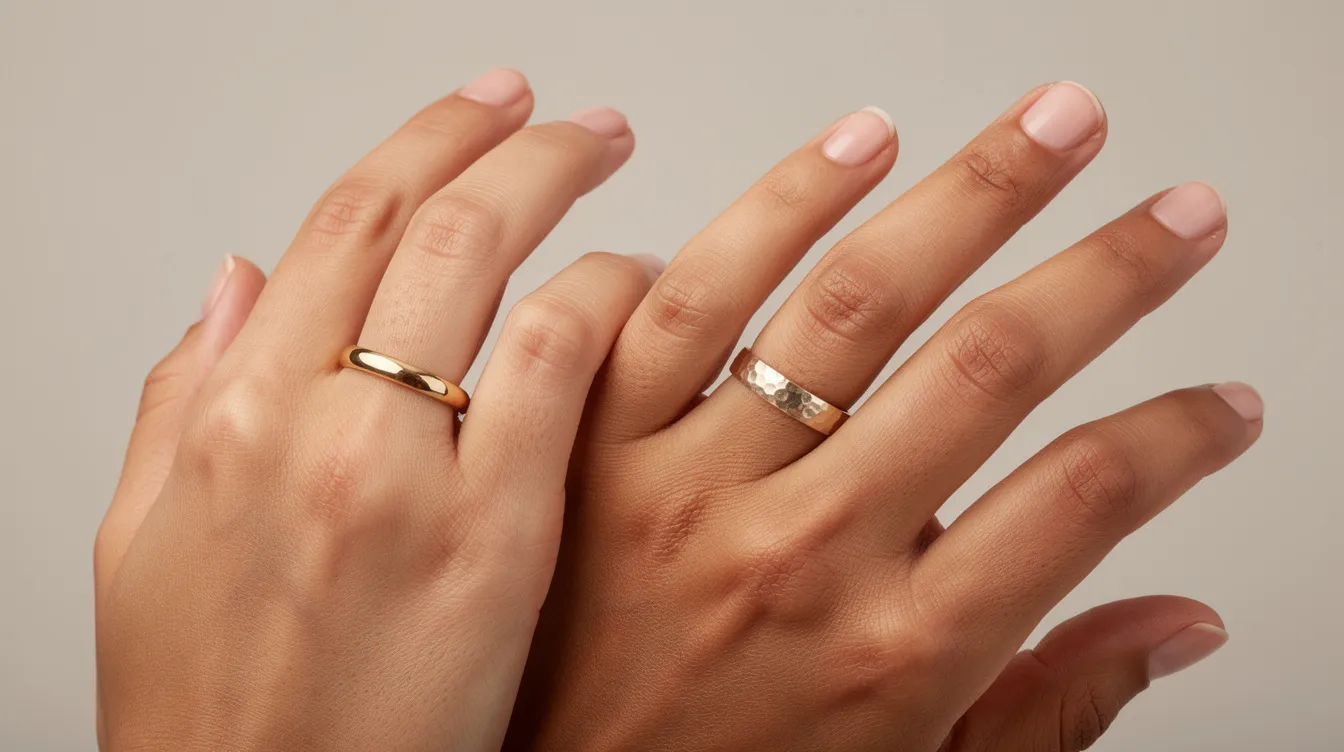
Layering by Category: Rings, Necklaces, Bracelets, and Earrings
Like separating metals by height or same plane in interiors, jewelry looks balanced when you think in categories. To create balance when mixing metals, it is effective to spread the dominant finish throughout your collection, allowing accents to vary across different elements.
Rings: Choose a dominant metal for your engagement/wedding set; experiment with accent metals on right-hand rings or midi bands.
Necklaces: Mix chain gauges and metals—sterling silver choker, 18K yellow gold pendant, longer oxidized silver chain—while repeating at least one metal twice for cohesion.
Bracelets: Treat your watch as the dominant finish, then add 1–2 bracelets in complementary metals and textures.
Earrings: Mixed metals can be subtle in huggies, hoops, or climbers. Two-tone or tri-tone earrings instantly tie multiple metals together across your look.
Our stylists build full “metal stories” during in-store appointments, ensuring each category is mixed but thoughtfully coordinated—like how nickel plumbing fixtures, a pot filler, and even a toilet paper holder might all relate in a well-designed space.
Special Focus: Mixing Metals in Engagement Rings and Wedding Bands
For engaged and soon-to-be-engaged readers nervous about mixing metals in meaningful pieces: you’re in excellent company. Data shows 28% of 2025 custom engagement rings were intentionally two-tone, and 32% of couples chose contrasting bands.
Popular two-tone designs we create:
-
Platinum head with yellow gold shank
-
Rose gold basket under a white gold halo
-
Triple-shank designs with alternating metals
Your dominant metal (often the engagement ring) can be contrasted with a different-metal wedding band, creating intentional separation rather than a perfect match. Current trend: elongated radiant-cut diamonds in platinum solitaire settings paired with warm, brushed yellow gold bands.
Heirloom restoration: We preserve original metal in vintage rings while adding new bands in different metals to modernize the overall stack. This honors family history while accommodating your personal preference.
Mixed-metal bridal sets age gracefully, accommodating future anniversary bands and inherited pieces without looking mismatched. The right combination evolves with you.
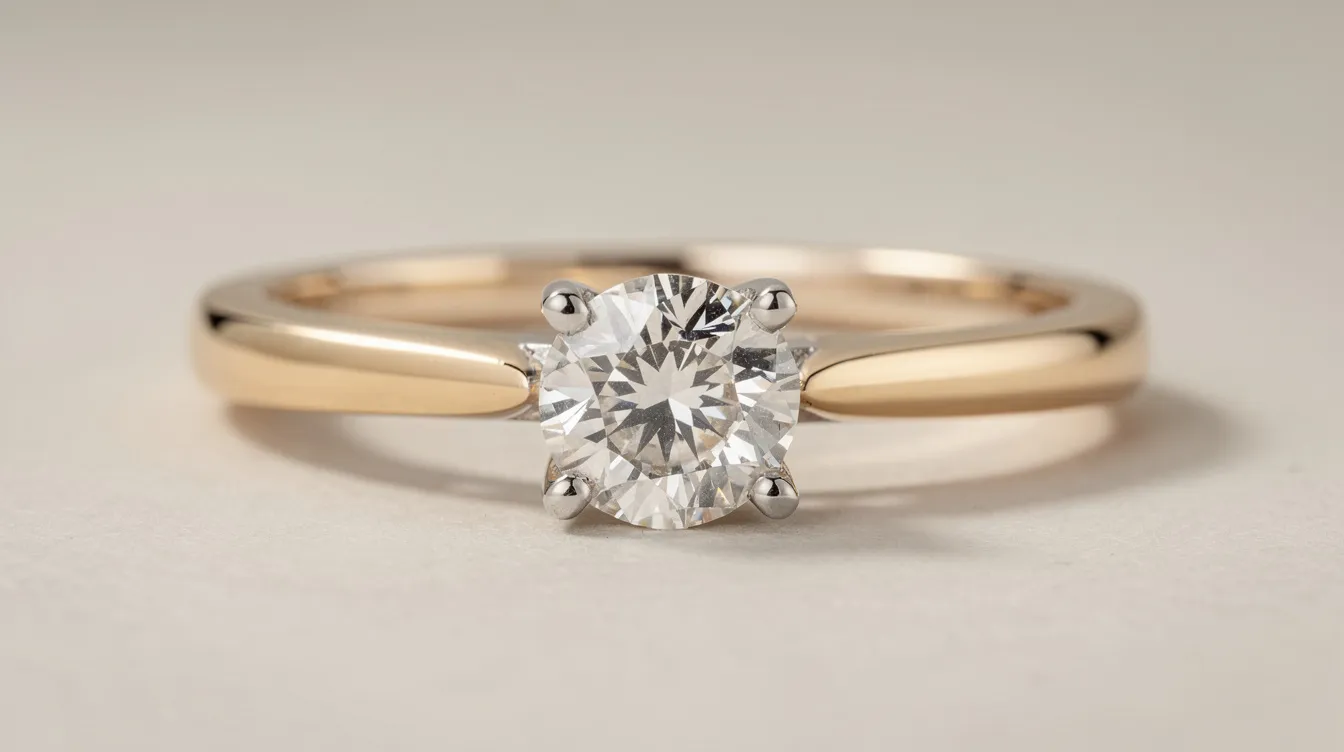
Caring for Mixed Metal Jewelry
Different metals age differently, and mixed metal collections benefit from periodic professional care. Maintaining complementary properties for mixed metals, such as moisture resistance, is crucial for longevity.
Care considerations:
-
White gold may need rhodium replating every 12–24 months, especially worn next to harder platinum
-
Softer high-karat yellow and rose gold show scratches faster; embrace gentle patina or visit us for refinishing before major events
-
Store pieces by metal type or in soft pouches—using insulators prevents friction between very hard and soft metals
-
Galvanic corrosion occurs when two dissimilar metals are in electrical contact in the presence of moisture; galvanic corrosion can cause one metal to corrode faster when in contact with a dissimilar metal
Our San Francisco studio offers complimentary cleanings and inspections for Trabert Goldsmiths pieces and careful refinishing for vintage items. Schedule annual checkups for prongs, clasps, and settings—especially on heavily layered stacks where pieces contact each other often.
How Trabert Goldsmiths Helps You Mix Metals Confidently
At Trabert Goldsmiths, we guide clients who feel overwhelmed by choices in metal finishes and combinations. Combining metals—known as alloying—creates materials with superior properties, and we apply this knowledge to craft pieces that balance beauty with durability.
Our in-store process includes:
-
Trying on mixed stacks and comparing metals against natural light in our San Francisco showroom
-
Photographing options so you can review at home
-
Custom jewelry design services creating bespoke two-tone or three-tone pieces bridging heirlooms and new purchases
-
Heirloom redesign: resetting inherited yellow gold or platinum stones into new mixed-metal settings
We work with both natural and lab-grown diamonds, as well as ethically sourced colored gemstones, across all metal palettes. The addition of carbon to iron creates steel—and similarly, the right addition to your collection creates something stronger than its individual parts.
Book a private appointment (in person or virtual) to experiment with mixing gold and other metals with guidance from our design team.
FAQ
Can I wear a yellow gold wedding band with a platinum engagement ring?
This is one of the most common and stylish combinations we create. The platinum serves as the dominant metal around your center stone, while yellow gold adds warmth as the accent metal on your band. We design bridal sets this way intentionally—the contrast can highlight your diamond or gemstone beautifully. Platinum is slightly harder, so some micro-scratching between rings is normal and manageable with occasional refinishing.
Do my metals need to match my partner’s ring?
No rule requires couples to choose matching metals. Many 2020s couples pick metals based on individual skin tone and lifestyle. For example, one partner might wear a brushed yellow gold band while the other wears a matte platinum band—both custom engraved to tie them together. If you want a link without identical choices, match one subtle element: finish, engraving style, or gemstone detail.
Will mixing metals make my jewelry look less formal or high-end?
Luxury houses and high jewelry collections intentionally mix metals—it’s firmly established in fine jewelry, not just fashion pieces. Formality comes from design quality, gemstone selection, and craftsmanship rather than strict matching. Choose cohesive design language (similar proportions, stone shapes, or finishes) so mixed metals feel elevated and intentional.
Is it okay to mix fine metals with stainless steel watches or fashion jewelry?
Mixing 14K or 18K gold pieces with stainless steel watches is common and widely accepted, especially in city style. Avoid low-quality plated pieces that discolor quickly next to fine metals; choose higher-quality stainless and vermeil when mixing price points. Using a galvanic compatibility chart can help ensure metals work well together—but in practice, a two-tone steel and gold watch bridges warm gold bracelets and cooler jewelry beautifully.
How do I start mixing metals if my collection is all one color now?
Start small: add a single accent ring, slim bracelet, or delicate chain in a different metal rather than changing everything at once. Repeat that new metal at least once more (two rose gold pieces among mostly yellow gold, for example) so it looks intentional. Bring your current pieces into Trabert Goldsmiths—we’ll style new additions that complement what you already own and help you find the right balance for your personal style.