
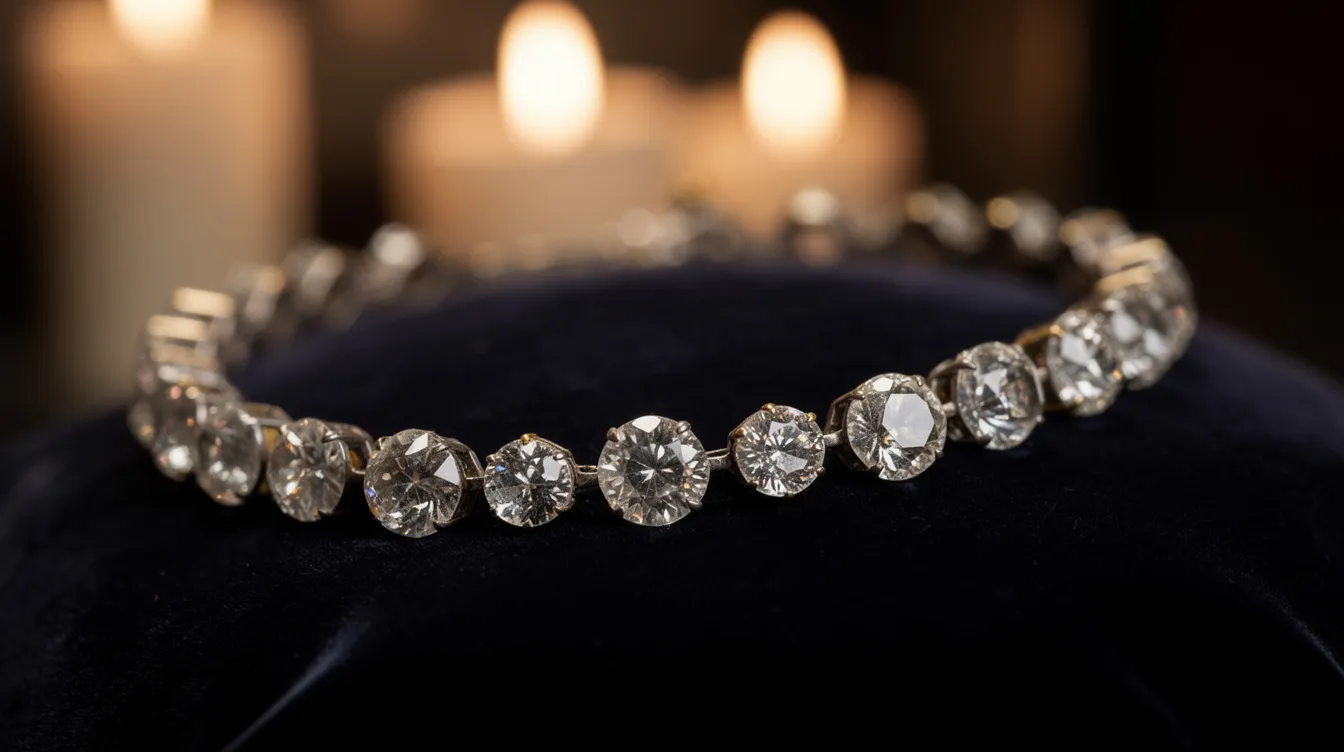
There’s something undeniably magical about holding a piece of jewelry that predates the Industrial Revolution—a ring or brooch shaped entirely by human hands, designed to sparkle under flickering candlelight in mirrored ballrooms. Georgian era jewelry, crafted roughly between 1714 and 1837, represents the earliest period of what collectors call “true antique” jewelry. These pieces carry the soft glow of rose cut diamonds, the romance of hand-forged gold, and the unmistakable character that only comes from two centuries of life.
Authentic Georgian pieces are rare today. Many were melted down for their precious metals, remodeled during the Victorian era, or simply lost to time. What survives offers a window into a world of candlelit elegance, intricate designs, and deeply personal symbolism. For collectors, couples seeking one-of-a-kind engagement rings, and anyone who values craftsmanship over mass production, Georgian jewels hold an enduring appeal.
At Trabert Goldsmiths, a jewelry store in San Francisco, we’re drawn to this era for the same reasons our clients are: the unique history embedded in each piece, the heirloom quality that transcends trends, and the way Georgian aesthetics translate beautifully into modern custom and restoration work.
What Is Georgian Jewelry? (1714–1837)
Georgian jewelry encompasses pieces made during the reigns of the first four Hanoverian kings of Great Britain: George I (1714–1727), George II (1727–1760), George III (1760–1820), and George IV (1820–1830). Many scholars and dealers also include William IV’s brief reign (1830–1837), which bridges the Georgian period into the Victorian era.
This span of over 120 years saw dramatic shifts in taste and technique:
-
Late Baroque (c. 1714–1740s): Formal, symmetrical designs with architectural ornamentation, bold scrollwork, and heavy use of diamonds set in silver fronts over gold backs
-
Rococo (c. 1730s–1760s): Lighter, more playful aesthetics featuring asymmetrical curves, bows, ribbons, flowers, and the introduction of “en tremblant” pieces that quivered with movement
-
Neoclassical (c. 1770s–1820s): Clean lines and classical restraint inspired by archaeological discoveries at Pompeii, with motifs like urns, laurel wreaths, and Greek key borders
Nearly all Georgian jewels were entirely handmade. There were no mass-produced findings, no machine-stamped settings. Every collet, every clasp, every facet was cut, soldered, and finished by hand—which means every piece carries slight imperfections that become hallmarks of authenticity.
European courts in London, Paris, and beyond heavily influenced Georgian designs. Cross-channel trade brought gemstones from India and cutting techniques from the Netherlands, shaping the pieces we curate and restore at Trabert Goldsmiths today.
The History and Aesthetic Evolution of Georgian Jewelry
The Georgian period witnessed profound shifts in style, driven by cultural movements, royal taste, and historical upheaval. Understanding this evolution helps collectors and enthusiasts appreciate why Georgian pieces look the way they do.
-
Early Georgian / Baroque (c. 1714–1740s): Jewelry mirrored the grandeur of Baroque architecture—symmetrical, formal, and imposing. Diamond bodice ornaments featured elaborate scroll patterns, and settings were almost universally closed-back to maximize sparkle under candlelight.
-
Mid Georgian / Rococo (c. 1730s–1760s): As Baroque formality gave way to Rococo playfulness, jewelry softened. C-scrolls, ribbons, and naturalistic flowers replaced rigid symmetry. “En tremblant” brooches—designed with hidden springs so floral sprays would tremble with movement—became fashionable for evening wear.
-
Late Georgian / Neoclassical (c. 1770s–1820s): Archaeological discoveries at Pompeii and Herculaneum sparked fascination with ancient Greece and Rome. Jewelry became more restrained: cleaner lines, classical balance, and motifs like urns, cameos, and laurel wreaths. This period also saw increased use of colored gemstones and the gradual introduction of more open settings.
Historical events shaped these designs significantly. The Seven Years’ War, American Revolution, and Napoleonic Wars affected wealth distribution, gem supply, and even the emotional symbolism embedded in jewelry. Mourning pieces, patriotic motifs, and sentimental hairwork all emerged from periods of conflict and loss.
Diamonds and Evening Wear in the Georgian Period
Diamonds became synonymous with aristocratic evening dress during the Georgian period, and the reason is simple: candlelight. In mirrored ballrooms lit by chandeliers and whale oil lamps, diamonds didn’t need the sharp, brilliant sparkle we associate with modern diamonds. They needed to glow.
-
Table cut diamonds featured flat tops with minimal facets, creating broad flashes of light
-
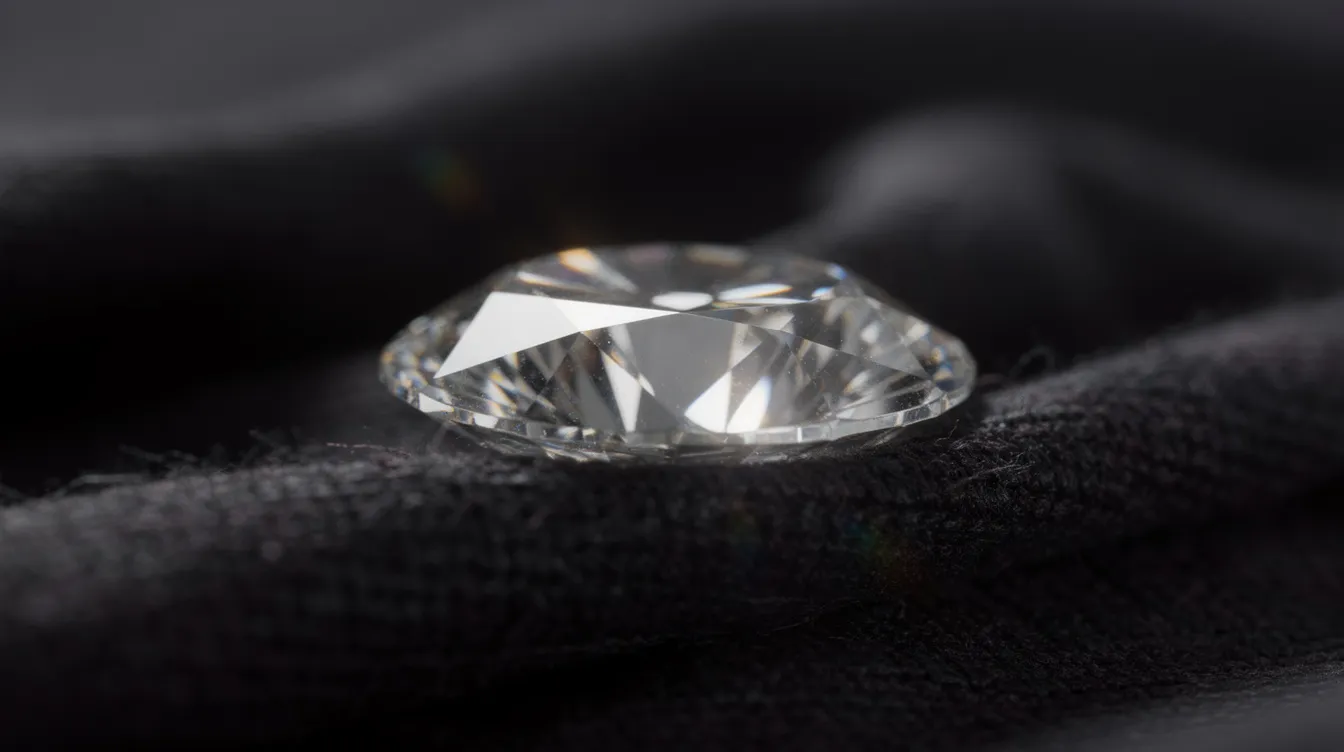
Rose cut diamonds had domed tops with triangular facets and flat bases, producing a soft glow rather than fiery brilliance
-
Early old mine cut diamonds appeared later in the period—cushion-shaped with high crowns and chunky facets that scattered light romantically
The combination of these cuts with closed back settings lined with foil backing created what collectors call “candlelight sparkle”—a warm, mysterious brilliance perfectly suited to 18th century lighting.
Specific pieces illustrate this beautifully:
-
Graduated rivière necklaces with old mine diamonds that caught light as the wearer moved
-
Diamond drop earrings with bow surmounts and pendeloque drops swaying gently at the earlobe
-
Diamond spray brooches that trembled subtly, multiplying reflections across mirrored interiors
Brooches, Parures, and Convertible Designs
A Georgian parure—a matching suite of jewels including necklace, bracelet(s), earrings, and brooch, sometimes with a tiara—represented the height of aristocratic elegance. But these sets were rarely static. Georgian jewelers originally designed many pieces with convertibility in mind:
-
Pendant drops could detach from necklaces to become brooches
-
Earrings featured removable tops or bottoms for day-to-night transitions
-
Brooch centers could be worn in the hair, on gowns, or as pendants
Notable examples include multi-part girandole earrings and star-and-crescent brooches adaptable to multiple wearing positions. The famous chrysoberyl parure with 97 stones totaling approximately 38.50 carats demonstrates how complete suites were built—and why intact parures command significant premiums today.
This versatility inspires our custom jewelry design services at Trabert Goldsmiths. We often design modern pieces that echo Georgian convertibility: an engagement ring pendant that transforms into a brooch, or modular elements that adapt to different occasions.
Defining Characteristics of Georgian Jewelry
For collectors, brides, and vintage enthusiasts, recognizing what makes a piece “Georgian” at a glance is invaluable. Because hallmarks are often absent or worn away on these earliest pieces, construction details become vital authentication clues.
Key characteristics include:
-
Hand-cut gemstones with irregular facets and slightly off-center culets
-
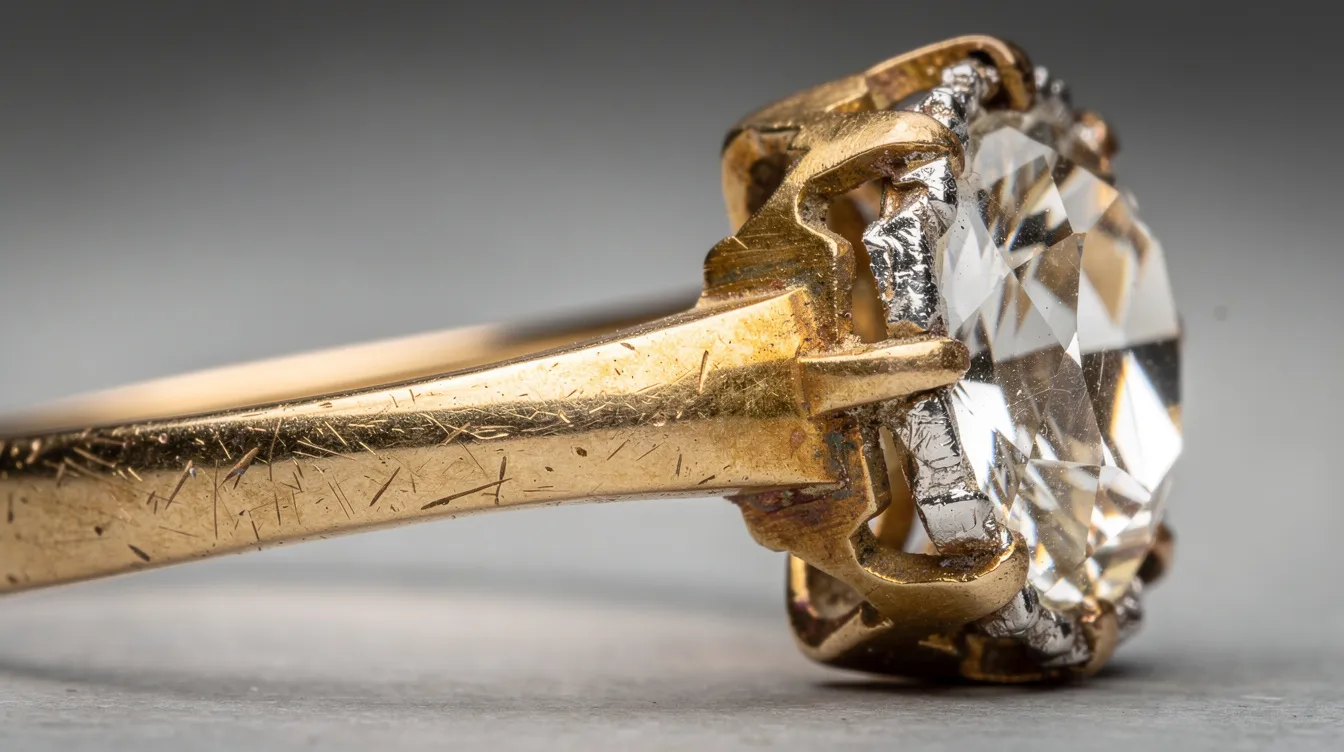
Closed back settings often lined with silver or copper foil to enhance brilliance
-
Mixed metal construction—typically set in silver fronts with gold backs
-
Intricate metalwork including repoussé (raised designs hammered from behind), cannetille (delicate coiled wirework), and hand engraving
-
Nature-inspired and symbolic motifs like flowers, bows, snakes, hearts, and mourning imagery
At Trabert Goldsmiths, our vintage specialists examine these traits carefully before acquiring or restoring any Georgian jewel through antique jewelry restoration and repair.
Early Gemstone Cuts and Candlelight Sparkle
Georgian gemstone cuts differ dramatically from modern standards. Rather than the precise, mathematically optimized brilliant cuts we see today, Georgian cuts prioritized beauty under low light:
-
Table cut: Flat top, simple facets—one of the earliest diamond cutting styles
-
Rose cut: Domed top with triangular facets, flat base; creates a soft glow with beautiful rose cut diamonds
-
Old mine cut: Cushion-shaped with high crown and small table; the precursor to modern brilliants
-
Briolette: Faceted drop shape popular in pendants and earrings
Colored stones—garnets, topaz, amethyst, sapphires—were cut to maximize color saturation rather than meet precise geometric standards. Step-cut emeralds and cushion-cut garnets often feature irregular outlines that add to their charm. The natural beauty of these stones, enhanced by skilled hand-cutting, gives Georgian pieces their distinctive personality.
Georgian Setting Techniques: Closed Backs and Foil
One of the most recognizable features of Georgian jewelry is the closed back setting. Unlike modern open settings that allow light through the back of a stone, Georgian jewelers enclosed their gems in metal, often lining the backing with reflective foil:
-
Silver or copper foil placed behind transparent or colored stones reflected light back through the gem, intensifying color and brightness
-
Cut-down collet settings featured scalloped rims where thin sheets of metal were crimped and burnished tightly around stones
-
Rub-over (bezel) settings wrapped metal edges around the stone’s girdle
-
Button-back mounts featured domed backs providing stability
The silver-over-gold construction common in diamond jewelry served an aesthetic purpose: silver provided a whiter appearance that complemented diamonds, while gold formed the structural backing against the skin. This technique preceded platinum’s use in jewelry (which came much later), so any “Georgian” piece advertised with platinum should raise red flags.
Foil backed stones and other foil backed stones are extremely sensitive to moisture. Water exposure can cause discoloration, oxidation, or foil deterioration—one reason we advise keeping Georgian closed back settings away from water entirely.
Ornate Metalwork: Repoussé, Cannetille, and Engraving
Georgian metalwork showcases techniques that modern mass production cannot replicate:
-
Repoussé: Thin sheets of gold or silver hammered from behind to create raised, sculptural designs—common in lockets, rings, and brooch frames
-
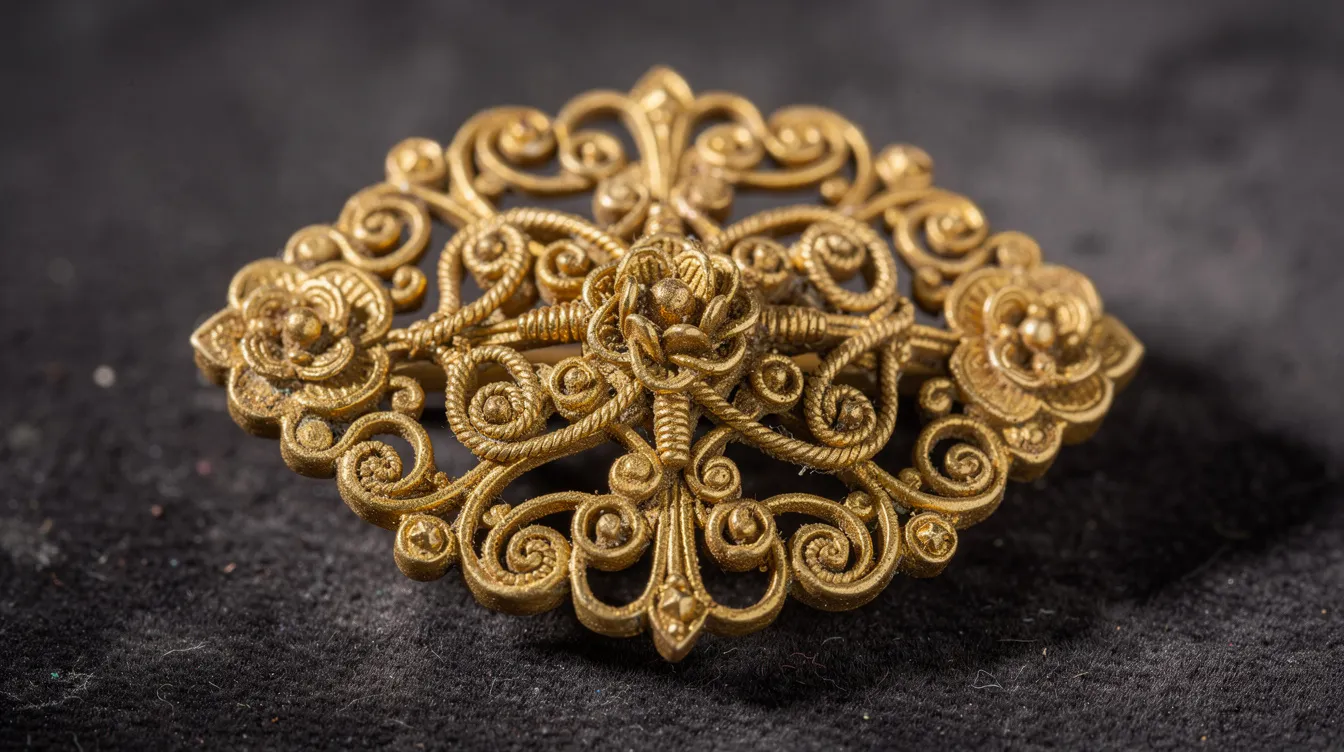
Cannetille: Delicate, springy gold wirework coiled and scrolled to resemble embroidery or lace; particularly popular in the early 19th century when gold scarcity required creative stretching of materials
-
Chasing and engraving: Fine surface detailing added from the front to sharpen lines, add texture to leaves and scrolls, and create depth in floral motifs
These techniques leave tiny tool marks and slight asymmetry visible under magnification—signatures of hand craftsmanship that distinguish genuine Georgian pieces from later reproductions. When evaluating authenticity at Trabert Goldsmiths, we look for exactly these irregularities.
Motifs, Symbolism, and Sentimental Themes
Georgian jewelry spoke a language of symbols that owners and admirers understood intuitively:
|
Motif |
Meaning |
|---|---|
|
Flowers (roses, forget-me-nots) |
Love, remembrance |
|
Bows and ribbons |
Ties that bind, fidelity |
|
Hearts |
Romantic love |
|
Anchors |
Hope, steadfastness |
|
Snakes |
Eternity (when biting tail) |
|
Urns |
Mourning, classical beauty |
|
Laurel wreaths |
Victory, honor |
|
Sentimental Georgian categories include: |
|
-
Lover’s eye miniatures: Tiny paintings of a beloved’s eye, set in brooches or rings
-
Hairwork jewelry: Rings and brooches incorporating woven, plaited, or ground human hair
-
Mourning jewelry: Black enamel, jet, and urn motifs commemorating specific individuals
Neoclassical influences after c. 1770 brought Greek key borders, mythological scenes, and cameos inspired by archaeological discoveries. These symbolic traditions connect directly to the idea of modern heirloom pieces—jewelry that tells a story, marks a milestone, and carries meaning across generations.
Materials Used in Georgian Jewelry
Understanding the materials in Georgian pieces helps with identification, care, and ethical considerations when creating Georgian-inspired designs today.
Gold, Silver, Steel, and Other Metals
Georgian jewelers worked primarily in high-karat yellow gold and silver:
-
18k–22k yellow gold formed shanks, backs, and structural elements; its warmer tone differs from modern alloys
-
Silver fronts held diamonds and clear stones to avoid yellow tint; silver tarnishes over time, creating characteristic patina
-
Cut steel and iron appeared in more affordable decorative jewelry—tiny faceted steel studs riveted into plates mimicked diamond sparkle at lower cost
-
Berlin iron jewelry became popular during Napoleonic Wars when gold was scarce and patriotic sentiment favored austere materials
Platinum was not used in Georgian jewelry. Any piece advertised as “Georgian” with platinum construction should be treated with skepticism. Our bench jewelers at Trabert Goldsmiths handle metal carefully during restoration, preserving original shanks where possible and matching period-appropriate materials when reinforcement is needed.
Gemstones, Paste, and Organic Materials
Georgian jewelers worked with a rich palette of gemstones and other materials:
Gemstones:
-
Diamonds (primarily rose cut, table cut, old mine cut)
-
Garnets, rubies, sapphires
-
Topaz (often Portuguese topaz)
-
Amethyst, turquoise, Scottish agate
-
Pearls (natural, often baroque-shaped)
Paste (glass imitations): Paste was high-lead glass cut and foiled to imitate diamonds and vibrant gemstones. Widely used in Georgian earrings, necklaces, and tiaras, paste served both fashion and travel purposes. High-quality Georgian paste jewelry is collectible and valuable—not “costume” in the modern dismissive sense.
Organic materials:
-
Coral (Mediterranean red and pink)
-
Jet (black fossilized wood for mourning)
-
Ivory (now heavily regulated)
-
Human hair (woven into rings, brooches, lockets)
Ethical note: ivory and certain corals face strict legal restrictions today. At Trabert Goldsmiths, we respect antique provenance while avoiding newly sourced restricted materials. When creating Georgian-inspired custom pieces, we use responsibly sourced alternatives.
How to Identify Authentic Georgian Jewelry
Distinguishing genuine Georgian pieces from Victorian, Edwardian, or modern reproductions requires examining multiple clues together. No single feature confirms authenticity—it’s the combination of construction style, gem cutting, wear patterns, and historical context that tells the story.
Many authentic Georgian jewels have been altered over centuries. A brooch converted to a pendant, a ring with a replaced shank, or earrings with reinforced posts are common. Professionals assess what’s original versus later modification to establish value and authenticity.
For important purchases—especially Georgian rings intended as engagement rings or family heirlooms—working with experienced specialists like those at Trabert Goldsmiths provides confidence and documentation.
Visual and Construction Clues
When examining a potential Georgian piece, look for:
-
Hand-cut collet settings, foil, closed backs, and patchy, old-world solder seams—not flawless modern castings
-
Irregular facet patterns consistent with hand cutting and centuries of wear
-
Silver fronts on diamond pieces, warm yellow gold backs
-
Tiny pits, file marks, and asymmetry visible under magnification indicating pre-industrial fabrication
-
Red flags such as sharp, perfectly even milgrain, ultra-precise pavé, or modern hallmarks suggesting later reproduction
Many Georgian rings have later replacement shanks—slightly different in color or profile from the original head. This is common practice and not necessarily a deal-breaker if properly disclosed.
Documentation, Provenance, and Expert Assessment
Because many Georgian pieces lack hallmarks or have worn, ambiguous marks, documentation becomes especially valuable:
-
Seek written descriptions from qualified dealers, auction houses, or appraisers explaining why a piece is dated to the Georgian era
-
Ask about provenance—previous ownership history, auction records, or maker attributions
-
Request condition reports noting original versus repaired components
Red flags include newly made pieces marketed as “Georgian” on online marketplaces at suspiciously low prices, or items where style, stones, and construction don’t align historically.
At Trabert Goldsmiths, we provide appraisals, condition reports, and antique jewelry restoration and repair plans for clients who inherit or acquire Georgian jewelry—helping you understand exactly what you own.
Buying Georgian Jewelry Today: What to Look For
Whether you’re a serious collector, a couple seeking a meaningful engagement ring, or simply drawn to Georgian charm, certain priorities guide smart purchases:
-
Authenticity: Can the piece be documented or confidently attributed to the Georgian period?
-
Condition: What repairs exist? Are they stable and tasteful?
-
Wearability: Can this piece be worn regularly, or is it best reserved for special occasions?
-
Personal connection: Does the style, symbolism, or history resonate with you?
Perfect condition is rare in jewelry from the 18th century and 19th century. Tasteful, stable repairs are normal. However, missing foil, severely worn prongs, or over-polishing can impact both value and durability.
True Georgian rings, earrings, and parures are limited. Some motifs or stone combinations—like intact diamond parures or elaborate cannetille suites—are exceptionally scarce. Set realistic expectations, and consider that Trabert Goldsmiths’ vintage jewelry store in San Francisco offers both carefully curated vintage pieces and custom work inspired by Georgian aesthetics at various price points.
Condition, Wearability, and Restoration
Before wearing a Georgian piece regularly:
-
Inspect prongs, settings, and shanks for thinness, cracks, or prior repairs
-
Discuss potential reinforcement with a trusted jeweler
-
Understand which issues are typical (replaced shanks, discreet solder seams) versus more serious (loose stones in foiled settings, corrosion around closed backs)
Expert restoration at Trabert Goldsmiths aims to stabilize and respect original craftsmanship, and our broader guide on how to restore jewelry explains the principles behind careful cleaning and maintenance. We use minimal intervention, reversible techniques where possible, and period-appropriate materials. Our philosophy: preserve the soul of the piece while ensuring it can be enjoyed for another century.
Certain fragile pieces—delicate cannetille work, large closed-back clusters—are best reserved for special occasions rather than daily wear.
Price, Rarity, and Value Considerations
Prices vary widely based on:
-
Maker attribution (when known)
-
Provenance and documentation
-
Design rarity (intact parures vs. single Georgian pieces)
-
Gemstone quality and condition
-
Overall preservation state
Some categories command significant premiums: intact rivière necklaces, early 1700s diamond bodice ornaments, or elaborate cannetille suites are exceptionally rare. High-quality Georgian paste jewelry is also increasingly collectible.
Our recommendation: buy pieces you genuinely love rather than speculating on future resale. The emotional and heirloom aspect of Georgian jewelry—its connection to British history, fashion, and personal milestones—often matters more than market appreciation. Our team can help set expectations on price and long-term care for clients considering Georgian pieces as engagement rings or family investments, and our vintage jewelry collection highlights unique period pieces that embody these qualities.
Caring for Georgian Jewelry
Owning Georgian jewelry means adopting care habits that differ from modern jewelry maintenance. These pieces survived two centuries or more—with proper care, they’ll last generations longer.
The sensitivity of foil backed closed back settings to moisture, chemicals, and temperature changes requires particular attention. Foils can dull, discolor, or oxidize when exposed to water or cleaning solutions that modern diamonds tolerate without issue.
Cleaning and Storage Best Practices
Do:
-
Clean surfaces gently with soft, dry cloths
-
Use dry cotton swabs to reach crevices
-
Store each piece separately in lined boxes or soft pouches
-
Remove Georgian rings before washing hands, showering, or swimming
-
Schedule periodic professional inspection (annually at Trabert Goldsmiths)
Don’t:
-
Soak Georgian jewelry in water
-
Use ultrasonic cleaners, steamers, or chemical dips
-
Apply lotions, perfumes, or cosmetics while wearing pieces
-
Stack pieces where metalwork can snag or stones scratch each other
-
Over-polish—patina and slight wear are part of the history
When (and How Often) to Wear Georgian Pieces
Georgian jewels deserve to be enjoyed, not locked away. But mindful wearing habits extend their life:
-
Consider most Georgian jewels as occasional or special-occasion pieces
-
Earrings, pendants, and brooches face less impact than rings or bracelets—prioritize these for more frequent wear
-
For clients who love Georgian style for daily wear, we often propose Georgian-inspired custom pieces with modern open settings and robust construction
-
Insure significant Georgian pieces and photograph them for records, especially when wearing to events or traveling
Georgian Jewelry and Modern Style at Trabert Goldsmiths
Georgian aesthetics translate beautifully into contemporary jewelry design. The soft glow of rose cut diamonds, the warmth of high-karat gold, nature-inspired halos, and cannetille-inspired filigree all resonate with modern couples seeking engagement rings and wedding jewelry that feel both timeless and unique.
At Trabert Goldsmiths, a studio dedicated to intentional, handcrafted jewelry, we offer:
-
Sourcing authentic Georgian pieces: Carefully curated vintage jewelry from trusted sources
-
Georgian-inspired custom design: Engagement rings, earrings, and pendants that capture candlelit romance with modern durability
-
Heirloom restoration: Reimagining family Georgian pieces for contemporary wear while respecting their history
Our commitment to ethical sourcing means using recycled metals, GIA-certified gemstones and diamonds, conflict-free or lab-grown diamonds, and responsibly sourced colored gemstones. You can embrace Georgian romance with 21st-century values—beautiful pieces that honor both the past and the future.
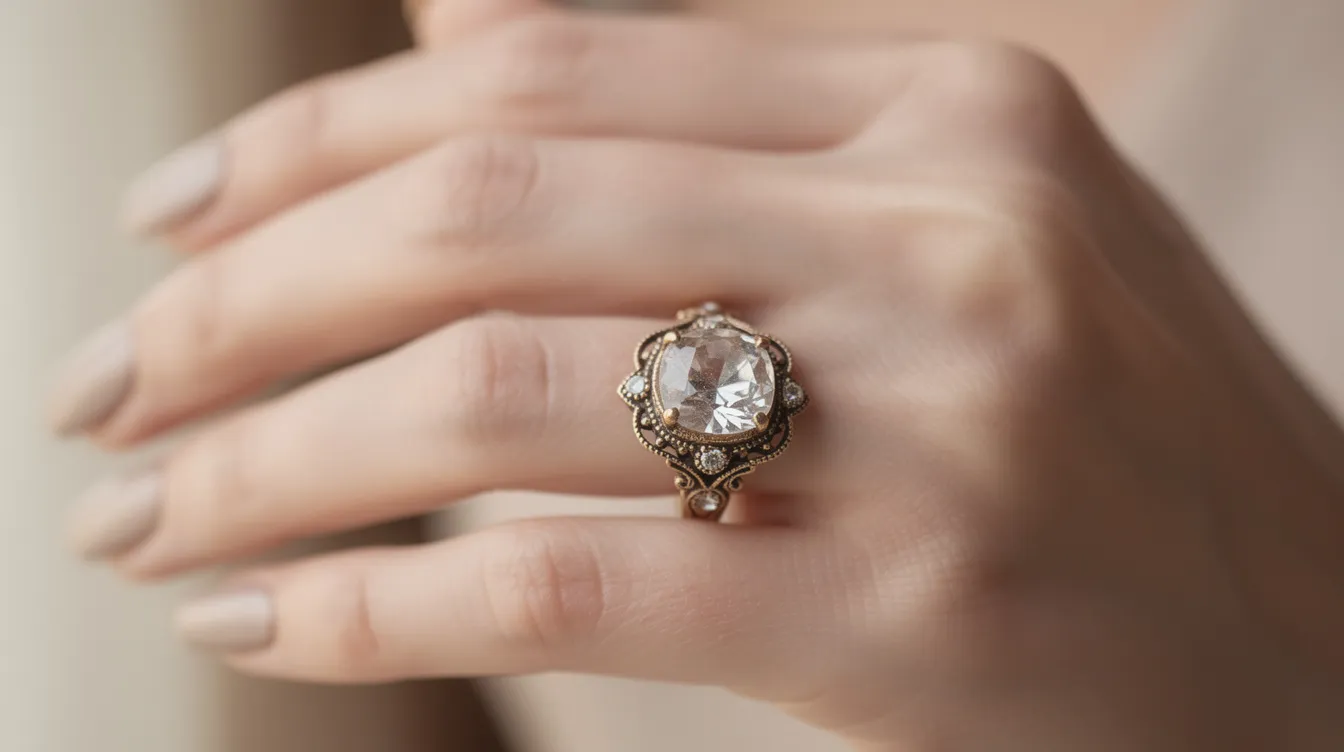
Whether you’re drawn to an authentic Georgian jewel with its irreplaceable charm and history, or a custom design inspired by candlelit elegance, our team is here to help you find—or create—something truly yours.
Schedule an appointment at our San Francisco showroom to explore Georgian originals, our vintage jewelry collection, or begin your custom design journey. Preserve the brilliance. Honor the history. Trust the hands that understand both.